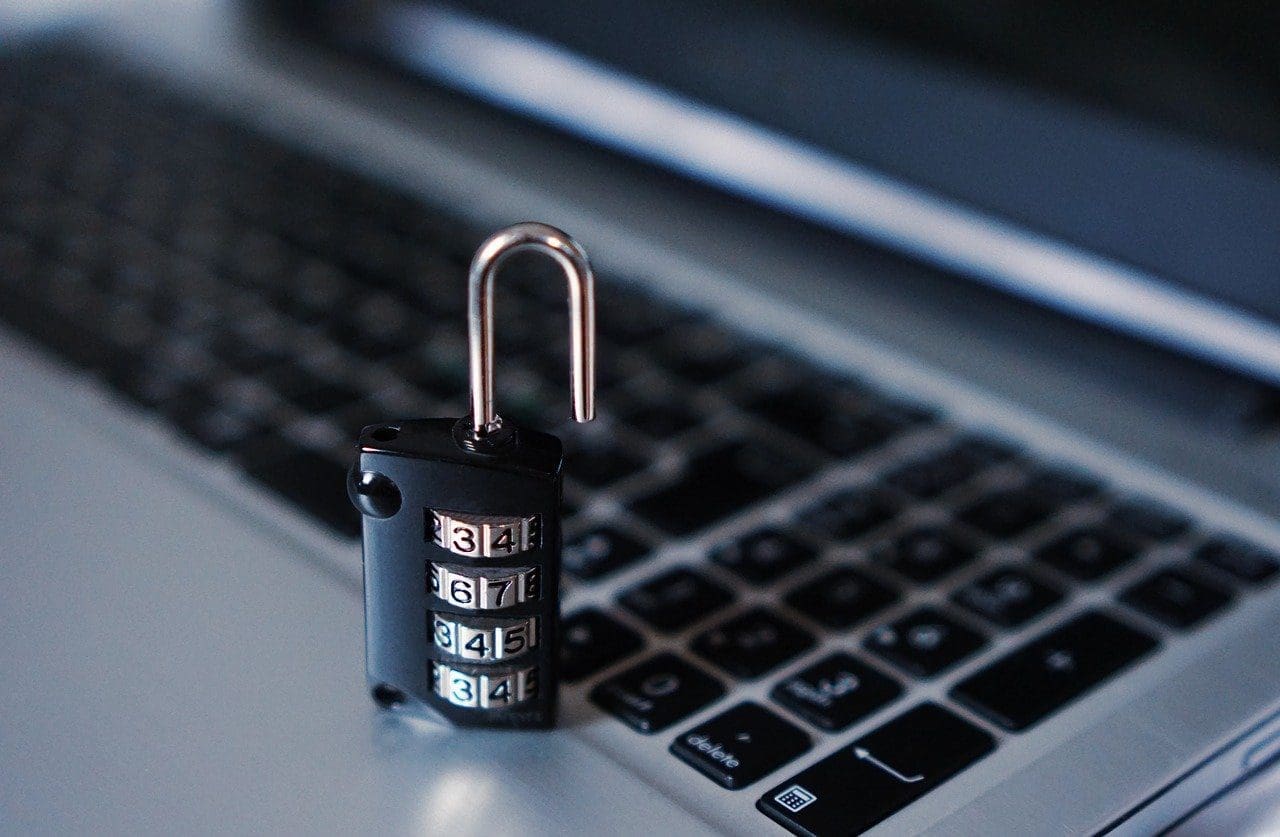

With more individuals working from home, keeping your sensitive information and data protected and secured takes priority.
Just because a company allows employees to work remotely, it doesn’t mean the company you work for has the information technology staff or technical infrastructure to keep your personal information safe, keep your computer protected and updated, or stop a data breach in real-time by hackers attempting to access your information.
Issues concerning the security of electronic systems, devices, and information and ways to protect against denial-of-service (DoS) attacks are critical to maintaining password hygiene and strengthening internet security.
Threats
Malicious code threats consisting of viruses, worms, and trojan horses can be installed on your computer and hidden without your knowledge, which creates a backdoor for attackers to access your personally identifiable information (PII).
Phishing, spear phishing, and social engineering threats use e-mail or website to solicit information by targeting a specific organization or group and seeking unauthorized access to confidential data through e-mail spoofing.
Using the same email and password for all of your online accounts makes it easy for hackers to access your online accounts. Avoid using dictionary words, your social security number, birth date, names, or information posted on your social media (i.e. name of a pet or bank vendor) as passwords.
Check out this list of commonly used passwords.
Using free WiFi networks (i.e. airport, coffee shop, hotel, shopping center) may sound like a great idea to save a few dollars, but you don’t when the last time the company or vendor last changed their password.
Some places have the password posted on an information board or at the checkout counter for anyone to access.
Depending on the strength of a WiFi signal, it’s easy for an individual to sit in his/her car, exploit connections, and steal your login information to clean out your bank account.
Personally Identifiable Information (PII)
PII is any information maintained by a company that can be used to link or trace an individual’s identity. Examples of PII:
- Name
- Address
- Social security number
- Email address
- Date of birth
- Driver’s license number
- Phone number
- IP address
- Financial, employment, or location data
Combining two types of PII, such as a person’s name with a birth date, identity thieves have all they need to commit identity theft and ruining your credit.
Protection of both work and personal information on your computer, mobile devices, or company-issued equipment can help to prevent attacks by putting to practice these ten online security tips.
Protecting Yourself
Now that you know what you need to know about safeguarding your sensitive information, protecting your computer and it’s contents, whether it’s working from home, on vacation, or enjoying a pumpkin spice latte, is the same as locking your door when you leave the house.
One last tip, never leave your computer unattended and change your passwords regularly to keep the bad guys out.